
🚨 Emergency Warning
Feline stomatitis is a severe inflammatory disease of the oral cavity. If left untreated, it can prevent cats from eating, ultimately leading to death from malnutrition or dehydration. Many cat owners mistakenly believe that bad breath is just a minor issue, unaware that it can be an early sign of feline stomatitis.
Feline stomatitis is a chronic, progressive inflammatory disease affecting tissues such as the gums, tongue, and oral mucosa. In Hong Kong, the prevalence rate is approximately 0.7% to 4%. However, because early symptoms are easily overlooked, the actual number of affected cats may be much higher.
As the professional veterinary team at the Hong Kong Social Enterprise Veterinary Hospital (HKSEV), we have treated over 500 cases of feline stomatitis in the past decade. According to our clinical statistics, the cure rate for cats diagnosed and treated early can reach over 85%, but the mortality rate for delayed treatments can be as high as 30%.
🔬 In-Depth Analysis of the Causes of Feline Stomatitis
1. Abnormal Immune System Response
The primary cause of feline stomatitis is an overreaction of the cat’s own immune system to normal bacteria inside the mouth. Normally, a large number of commensal bacteria live in the oral cavity, but in cats with stomatitis, the immune system mistakenly views these bacteria as a threat, triggering a continuous inflammatory response.
Immune Response Mechanism:
- T-cell Mediated Response: Massive accumulation of CD4+ and CD8+ T cells in stomatitic tissues.
- Cytokine Storm: Excessive release of inflammatory cytokines such as IL-1β, TNF-α, and IL-6.
- Tissue Destruction: Persistent inflammation leads to damage of the oral mucosa and gingival tissues.
2. Viral Infection Factors
Multiple viral infections can trigger or worsen feline stomatitis:
- Feline Calicivirus (FCV): The most common inducing factor; approximately 60% to 80% of cats with stomatitis carry this virus.
- Feline Herpesvirus-1 (FHV-1): Causes oral mucosal ulcers; about 30% to 50% of affected cats are infected.
- Feline Immunodeficiency Virus (FIV): Weakens the immune system, increasing the risk of stomatitis.
- Feline Leukemia Virus (FeLV): Impairs immune function, making cats more susceptible to stomatitis.
3. Dental Disease Complications
Oral diseases such as gingivitis, periodontal disease, and dental caries provide a breeding ground for bacteria, intensifying the inflammatory reaction. The accumulation of dental plaque and tartar continuously irritates the gums, creating a vicious cycle.
4. Genetic Predisposition
Certain breeds—such as Persians, Siamese, and Maine Coons—exhibit a higher incidence of stomatitis, indicating that genetic factors play a significant role in the development of the disease.
🎯 Symptom Identification Guide for Feline Stomatitis
Early Symptoms (Warning Signs That Cannot Be Ignored)
🚨 10 Early Signs Every Cat Owner Must Watch For:
- Worsening Bad Breath: Progressing from a mild fishy smell to a strong, putrid odor.
- Increased Drooling: Saliva becomes viscous and may contain traces of blood.
- Difficulty Eating: Expressing pain while chewing; showing a preference for soft foods.
- Red and Swollen Gums: The gum line turns red and bleeds when touched.
- Oral Sensitivity: Reluctance to have the face and chin touched.
- Weight Loss: Decreased food intake due to pain.
- Behavioral Changes: Becoming irritable, quiet, or withdrawn.
- Changes in Grooming Habits: Stopping or significantly reducing self-grooming.
- Facial Scratching: Frequently using paws to scratch the mouth area.
- Abnormal Vocalization: Making distressed sounds while eating.
Middle-Stage Symptoms
As the disease progresses to the middle stage, symptoms become significantly worse:
- Oral Ulcers: Noticeable ulcers appear on the tongue, gums, and oral walls.
- Severe Drooling: Saliva mixed with blood and purulent secretions.
- Refusal to Eat: Even soft foods become difficult to swallow.
- Rapid Weight Loss: A weight loss of over 10% within 1–2 weeks.
- Excruciating Oral Pain: Complete refusal to allow anyone to inspect the mouth.
Late Symptoms (Life-Threatening Stage)
⚠️ The appearance of the following symptoms indicates a critical condition:
- Complete Cessation of Eating: Refusing even water.
- Severe Dehydration: Loss of skin elasticity, sunken eyeballs.
- Extreme Weakness: Inability to stand or walk normally.
- Abnormal Body Temperature: Fever or hypothermia.
- Difficulty Breathing: Oral swelling affects the respiratory tract.
- Altered Consciousness: Sluggish reactions, lethargy.
If these symptoms appear, you must seek medical attention immediately. Delayed treatment can lead to death within 24 to 48 hours!
🔍 Professional Diagnostic Procedures
Clinical Examination
Professional veterinarians at HKSEV will perform a comprehensive oral examination, including:
- Visual Inspection: Checking the degree of inflammation in the oral mucosa, gums, and tongue.
- Palpation: Assessing pain response and swelling severity.
- Bad Breath Assessment: Judging the severity of the infection.
- Weight Monitoring: Evaluating nutritional status.
Laboratory Tests
Essential diagnostic tests include:
- Hematology: White blood cell count, inflammatory markers (CRP, SAA).
- Biochemistry: Liver and kidney function, electrolyte balance.
- Virology Testing: FCV, FHV-1, FIV, FeLV antigen/antibody tests.
- Bacterial Culture: Oral secretion bacterial culture and drug sensitivity testing.
- Histopathology: Oral tissue biopsy when necessary.
Imaging Diagnostics
X-rays can evaluate:
- Tooth root infections.
- Extent of alveolar bone destruction.
- Possibility of foreign objects or tumors.
💊 Treatment Options for Feline Stomatitis
1. Conservative Treatment (Mild to Moderate Cases)
Medical Treatment
First-line medications:
- Antibiotics:
- Amoxicillin-Clavulanic acid
- Clindamycin (highly effective against anaerobic bacteria)
- Metronidazole (anti-anaerobic)
- Anti-inflammatory Drugs:
- Prednisolone (short-term use)
- Meloxicam (safer for long-term use)
- Immunosuppressants:
- Cyclosporine (for severe cases)
Local Treatment
- Oral Hygiene: 0.12% chlorhexidine mouthwash, 2–3 times daily.
- Pain Management: Topical anesthetic gel to relieve pain.
- Nutritional Support: High-calorie soft or liquid foods.
2. Surgical Treatment (Severe Cases)
Full-Mouth Tooth Extraction
For severe cases unresponsive to conservative treatment, full-mouth tooth extraction is the most effective treatment. Our clinical data show a surgical success rate of over 90%.
Surgical Indications:
- No significant improvement after 6–8 weeks of conservative treatment.
- Severe gingival inflammation accompanied by deep periodontal pockets.
- Multiple loose or infected teeth.
- Severe oral pain affecting quality of life.
Surgical Procedure:
- Preoperative Preparation: General anesthesia, preoperative antibiotic prophylaxis.
- Tooth Extraction: Carefully extract all teeth, ensuring no tooth roots are left behind.
- Gingival Reshaping: Remove inflamed tissue and smooth the edges of the gums.
- Wound Closure: Suture the gums using absorbable sutures.
- Postoperative Care: Pain management and anti-infection treatment.
3. Supportive Treatment
- Nutritional Management: High-calorie easily digestible canned food, served at room temperature and textured appropriately (mashed or liquid). Tube feeding if necessary.
- Environmental Management: Provide a quiet, comfortable environment, reduce stressors, keep food and water bowls clean.
🏠 Home Care Guide
Daily Care Essentials
Cat owners must master these care techniques:
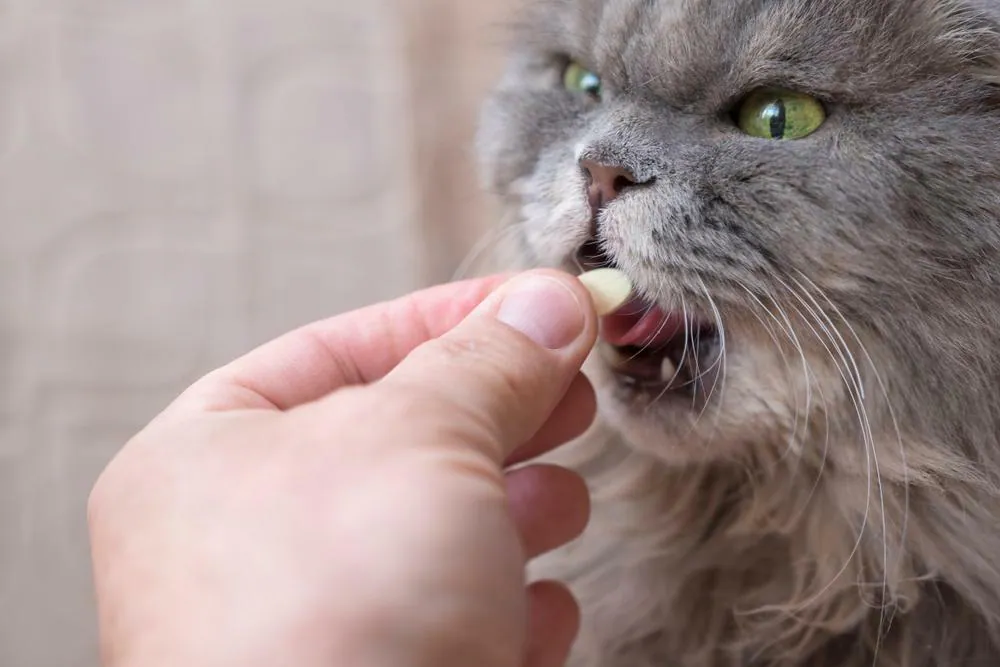
- Medication Administration: Use a pill-pacer to avoid direct hand contact with the mouth; mix medications in a small amount of food; ensure complete swallowing before giving a reward.
- Dietary Selection: Choose high-quality wet food or canned food; avoid hard dry kibble and treats; keep food at room temperature.
- Oral Hygiene: Use pet-specific mouthwash (never use human toothpaste); keep cleaning actions gentle.
Monitoring Indicators
- Weight Changes: Measure and record weekly.
- Appetite Status: Record food intake amounts and feeding times.
- Behavioral Performance: Observe energy levels and mental state.
- Oral Status: Monitor drooling and bad breath changes.
🛡️ Prevention Strategies
- Regular Oral Health Checks: Schedule professional oral examinations every 6 months to evaluate gum inflammation, remove tartar, screen for periodontal disease, and rule out oral tumors.
- Daily Oral Hygiene: Daily brushing with pet-safe toothbrush and toothpaste, dental treats, dental toys, and proper diet control.
- Immunity Maintenance: Regular vaccinations, balanced nutrition, stress management, and regular check-ups.
📊 Treatment Outcomes and Prognosis
HKSEV Clinical Statistics (Based on 500 cases over the past 5 years):
- Early-stage cases: Cure rate 85%, recurrence rate 10%.
- Middle-stage cases: Cure rate 70%, recurrence rate 25%.
- Late-stage cases: Cure rate 45%, recurrence rate 40%.
- Full-mouth extraction cases: 90% of cats experienced a significant improvement in quality of life.
🆘 When to Seek Emergency Care
⚠️ Red Flag Signs Requiring Immediate Medical Attention:
- Complete refusal to eat or drink for 24 consecutive hours.
- Severe drooling accompanied by blood or pus.
- Difficulty breathing or wheezing.
- Body temperature above 39.5°C (103.1°F) or below 37°C (98.6°F).
- Extreme weakness, inability to stand normally.
- Altered consciousness or dull responsiveness.
- Severe oral swelling.
If any of the above symptoms appear, please call the HKSEV 24-Hour Emergency Hotline immediately at +852 2652 4949.
📞 HKSEV 24-Hour Emergency Services
We provide round-the-clock emergency veterinary services equipped with complete emergency facilities and a professional team.
- Emergency Hotline: +852 2652 4949
- Emergency Address: G/F, 44 Shui Che Po Road, Mong Kok, Kowloon
- Hours: 24/7, 365 days a year
🎯 Conclusion: Never Ignore Your Cat’s Oral Health
Feline stomatitis is a serious yet treatable disease. The key lies in early detection and professional treatment. As a cat owner, your careful observation and timely action can save your beloved cat’s life.
Remember, bad breath is not a minor issue, and drooling is not normal. When you notice any abnormal oral symptoms in your cat, do not hesitate—seek professional veterinary assistance immediately.
Q1: Is feline stomatitis contagious to other cats?
Feline stomatitis itself is not directly contagious, but the viruses that cause it (such as Feline Calicivirus and Feline Herpesvirus) are infectious. It is recommended to temporarily isolate the affected cat and keep the environment clean. Other cats should undergo health check-ups and vaccinations.
Q2: Approximately how much does the treatment for feline stomatitis cost?
Treatment costs vary depending on the severity of the condition. Conservative treatment (drug therapy) ranges from approximately HK$2,000-5,000; full-mouth tooth extraction surgery ranges from approximately HK$8,000-15,000, which includes pre-operative examinations, anesthesia, surgery, and post-operative care. We provide detailed treatment plans and cost estimates to ensure transparent pricing.
Q3: How can the recurrence of feline stomatitis be prevented?
The key measures to prevent recurrence include: regular oral check-ups (every 6 months), maintaining good oral hygiene, avoiding stressful environments, providing premium nutrition, and staying up to date on vaccinations. For high-risk cats, long-term immunomodulatory therapy may be necessary.
Q4: Can feline stomatitis be completely cured?
Mild stomatitis can be completely cured with proper treatment. Moderate to severe stomatitis may require long-term management, but symptoms can be well-controlled. Full-mouth extraction is the most effective treatment for severe cases, with a cure rate of up to 90%. Early detection and treatment are crucial.
Q5: I have multiple cats at home; how can I prevent the spread of the disease?
Recommendations include: 1) Temporarily isolate the affected cat; 2) Do not share food and water bowls; 3) Regularly disinfect the environment; 4) Have all cats undergo health check-ups; 5) Ensure vaccinations are complete; 6) Perform health screenings for new cats before they move in. These measures can effectively reduce the risk of disease transmission.