
Cats definitely get hot—much hotter than many pet owners realize. Their sweat glands are located almost exclusively on their paw pads, meaning they primarily rely on grooming and seeking out cool, shaded spots to dissipate heat [INDEX]. If the environment becomes too hot and poorly ventilated, they can easily accumulate heat stress and even suffer from heatstroke.
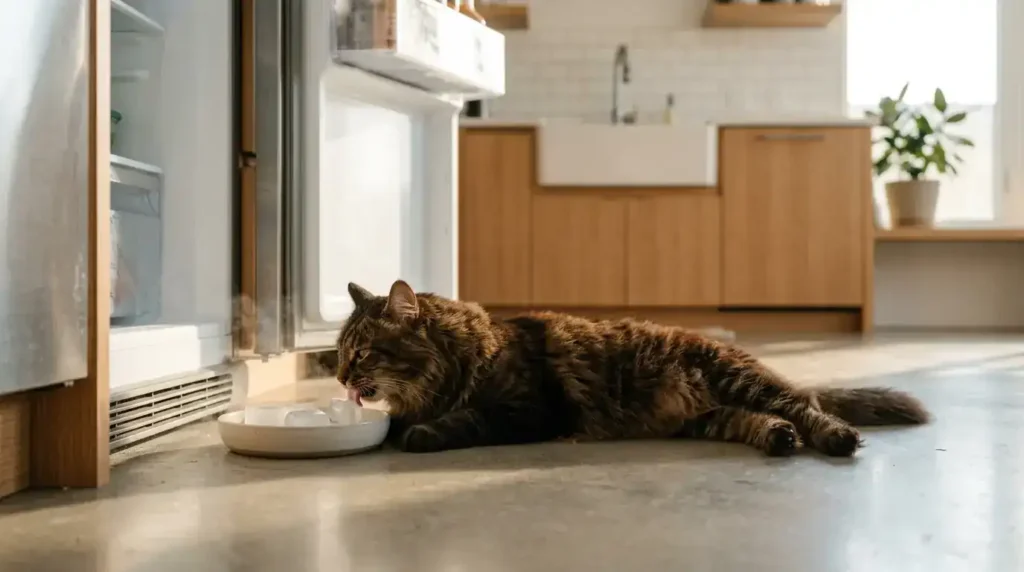
So, to answer the question “do cats get hot?”: Yes, absolutely, and the humid summer months are a high-risk period. At our cat hotel (Cat’s Backyard), monitoring the breathing and activity levels of every boarded cat is our top priority during the summer. Below, we’ve compiled our first-hand observations and comprehensive cooling practices for you.
Key Takeaways
- Limited cooling mechanisms: A cat’s sweat glands are almost entirely restricted to their paw pads. They rely on licking their fur, finding cool spots, and sweating through their paws to cool down. Because their cooling pathways are limited, summer brings a high risk of heatstroke.
- Panting is a red flag: Healthy cats almost never pant with their mouths open under normal conditions. If a cat continues to breathe with an open mouth for more than a few minutes while resting, shows rapid breathing, or has pale, grey, or bluish gums/tongue, treat it as an emergency and seek veterinary care immediately.
- Emergency steps for suspected heatstroke: Move the cat immediately to a cool, well-ventilated, air-conditioned space. Dampen their paw pads, belly, armpits, and the inside of their ears with room-temperature or slightly cool water, and turn on a fan to aid evaporation. Cool them down while on the way to the vet. Never use ice-cold water or ice cubes for rapid cooling, as constricted blood vessels can trap heat and even lead to shock.
- Ideal AC settings: It is recommended to set the air conditioner to 26–28°C (78–82°F) paired with a circulating fan to keep the air moving. Avoid leaving cats in enclosed or sun-drenched rooms, and never leave a cat alone in a car, even with the windows cracked.
- Avoid shaving to the skin: A cat’s fur provides insulation and sun protection. Shaving them completely bare increases the risk of sunburn. For thick-coated cats, ask a professional groomer for a moderate thinning, and rely on frequent brushing and temperature control to help them stay cool.
Do Cats Get Hot? Understanding How They Cool Down
Many people assume cats cool down by panting like dogs, but this is not the case. Healthy cats under normal conditions rarely pant with their mouths open. Instead, they cool down through:
- Sweating through their paw pads (a very small surface area with limited efficiency)
- Grooming, using the evaporation of saliva to take away heat
- Actively moving to a cool surface to lie down
- Open-mouth breathing only in extreme situations
Because their cooling options are limited, when room temperatures exceed their tolerance, their body temperature rises much faster than you might think. Special care must be given to:
- Long-haired cats and double-coated breeds (e.g., Ragdolls, Maine Coons, Persians)
- Flat-faced/brachycephalic breeds (Persians, Exotic Shorthairs) with narrower airways
- Kittens, senior cats, overweight cats, and those with heart, lung, or chronic illnesses
If you have a long-haired cat, pay extra attention to fur matting in the summer. Moderate thinning and regular brushing can greatly aid in heat dissipation.
Is It Normal for Cats to Pant and Stick Out Their Tongues?
This is the most easily overlooked warning sign in the summer. In most cases, panting or breathing with an open mouth is not normal.
Situations That Are Likely Okay:
- Short-term panting after intense play or chasing, which subsides after a few minutes of rest.
- Temporary panting due to extreme stress, such as right after a car ride or a vet visit.
- Brief panting during a very muggy day that stops quickly once moved to a cooler area.
Situations That Require Immediate Vigilance:
If your cat is panting with its tongue out and exhibits any of the following, treat it as an emergency:
- Continuous open-mouth breathing for more than a few minutes without any exercise or extreme heat.
- Rapid, shallow breathing with noticeable abdominal movement.
- A tongue or gums that turn purple, white, or grey.
- Accompanied by weakness, unsteadiness while walking, drooling, or vomiting.
These signs might indicate more than just heat; they could involve heart or lung issues. If a cat is still panting while resting, seek veterinary medical attention promptly instead of waiting it out.
What Are the Signs of Heatstroke in Cats?
Heatstroke (heat exhaustion) can be fatal. At our hotel, we train our staff to look for these stages:
Early Warning Signs:
- Flat out on cool tiles or bathroom floors with limbs splayed out.
- Noticeably sluggish, unresponsive, or experiencing a loss of appetite.
- Beginning to show mild open-mouth breathing.
Moderate to Severe Signs (Immediate Cooling and Vet Care Required):
- Continuous and rapid panting/tongue-out breathing.
- Heavy drooling or thick, sticky saliva.
- Bright red or purple gums.
- Vomiting or diarrhea.
- Unsteady gait, muscle tremors, limpness.
- Altered consciousness or unresponsiveness.
Emergency Response if You Suspect Heatstroke
- Move them immediately to a cool, well-ventilated, air-conditioned space.
- Dampen their paw pads, belly, armpits, and inner ears using room-temperature or slightly cool water (no ice water).
- Turn on a fan to accelerate evaporative cooling.
- Offer small amounts of cool water, but do not force-feed water.
- Contact and head to a veterinary hospital while continuing to cool them down.
Special Reminder: Do not submerge your cat in ice water or apply ice packs. Rapid cooling causes blood vessels to constrict, trapping internal heat and potentially inducing shock. The goal of cooling is to lower body temperature steadily and gently, while letting a veterinarian evaluate potential internal organ damage.
Home Cooling Guide for Summer (Practical Edition)
This is the core approach we use to keep cats comfortable all summer long, which you can easily replicate at home:
1. Control Room Temperature and Ventilation
- Never leave your cat locked in a completely enclosed room when you go out, especially rooms facing the west sun.
- It is recommended to set the AC to 26–28°C (78–82°F) and pair it with a circulating fan to keep air flowing.
- If the AC is off, at least leave windows and doors open for cross-ventilation, and draw blackout curtains to block harsh afternoon sunlight.
2. Create Cool Resting Spots
- Provide ceramic tiles, aluminum cooling mats, or pet cooling pads for your cats to choose from.
- Cats love high places, but lower areas are usually cooler in the summer—set up multiple resting spots at different heights.
- Move scratching posts and cat beds away from direct sunlight.
3. Prioritize Hydration
Dehydration risk peaks in the summer. Drinking plenty of water helps regulate body temperature and protects the kidneys:
- Place multiple water bowls around or use a flowing water fountain to encourage drinking.
- Increase the proportion of wet food to boost water intake.
- Monitor daily water consumption alongside dry/wet food ratios.
4. Coat Management
Long-haired and thick-coated cats get very hot trapped in their fur. Regular brushing helps with cooling and reduces swallowed fur, lowering the risk of hairballs. If the coat is too thick or matted, consider professional grooming—however, do not shave them down to the skin yourself, as over-shaving strips the skin of protection and increases sunburn risks.
5. Avoid Incorrect Cooling Methods
- ❌ Do not give cats ice cubes or ice cream (it irritates the digestive tract and human ice cream often contains dangerous ingredients).
- ❌ Do not lock your cat in a bathroom and splash cold water on them.
- ❌ Never leave a cat unattended in a parked car, even with the windows cracked—it can turn fatal in just a few minutes.
Frequently Asked Questions
Q: Is it normal for a cat to pant with its tongue out?
A: In most cases, no. Aside from short-term panting after intense play or high stress, if a cat continues open-mouth breathing while resting, breathes rapidly, or has discolored gums, it should be treated as an emergency and seen by a vet.
Q: How do I perform first aid for a cat with heatstroke?
A: Move them to a cool, ventilated, air-conditioned area immediately. Wet their paws, belly, and ears with room-temperature or cool water, turn on a fan to speed up evaporation, and head to the animal hospital right away. Do not use ice water for rapid cooling or force water down their throat.
Q: What temperature should the AC be set to so the cat is comfortable?
A: Setting it to 26–28°C (78–82°F) paired with a circulating fan is recommended. The key is to prevent a stuffy, enclosed environment with direct sunlight, and to ensure the cat has constant access to cool areas and fresh water.
Q: Can I shave my cat’s fur completely off in the summer?
A: Shaving them down to the skin is not recommended. Fur also functions as insulation and sun protection, and over-shaving increases the risk of sunburn and skin issues. For thick coats, you can have a professional groomer thin it out moderately, supplemented by regular brushing and temperature control.
Q: Can cats eat ice cubes or cold things to cool down?
A: Not recommended. Ice can irritate the stomach, and human ice cream often contains ingredients toxic to cats. The correct approach is to provide plenty of fresh, cool water, cooling mats, and good ventilation rather than feeding them ice.