
This article provides a complete explanation of the causes, early, middle, and late-stage symptoms, treatments, and care essentials for feline stomatitis, helping owners detect it early and seek timely medical attention.
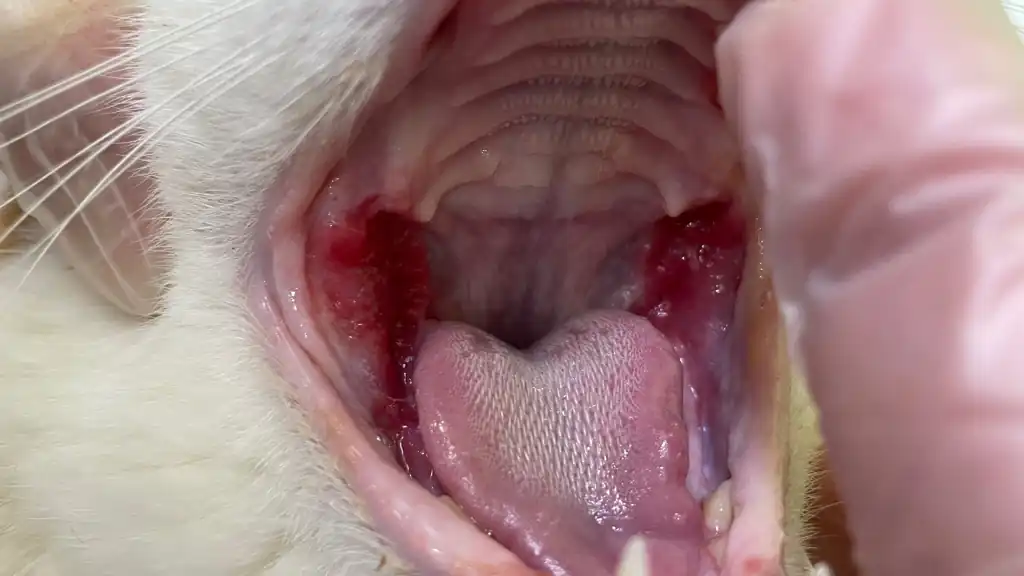
At Meishu Demin Animal Hospital, the diagnosis process for feline stomatitis begins with an oral and dental examination: observing the cat’s mucous membranes, teeth, and gum conditions, and gently touching them to check for inflammation and swelling. This is paired with blood tests (including kidney function, blood glucose, immune system panels, and a Feline Immunodeficiency Virus [FIV] rapid test) to clarify the cause and severity of the stomatitis. The hospital is also equipped with dental-specific X-ray machines, which can be scheduled as needed.
Treatment options will be assessed based on the cat’s condition, combining medical treatments such as corticosteroids and antibiotics with surgical procedures like partial extractions, posterior extractions, or full-mouth extractions. The hospital’s core clinical philosophy is “gentle treatment.” Located in Gushan District, Kaohsiung City, Meishu Demin Animal Hospital is operated by a lineup of National Taiwan University (NTU) veterinarians. Dental outpatient clinics are primarily managed by Director Hu Huai-chung, and chronic feline stomatitis is one of Director Hu’s specialized dental focus areas.
I. What is Feline Stomatitis? 4 Causes Explained
Simply put, feline stomatitis is an “overactive immune response” and is a common oral disease in adult cats. When a cat’s immune system becomes hyperactive, it attacks normal tissues within the oral cavity, causing inflammatory reactions in the oral mucosa, gums, and deep throat.
Feline stomatitis typically occurs in adult cats aged 4 to 17 with unstable immune systems. Meanwhile, kittens around 5 to 7 months old may experience temporary gum inflammation during teething or other juvenile dental diseases, but these are not true feline stomatitis!
According to explanations from the Cornell University College of Veterinary Medicine, here are 4 possible causes of feline stomatitis:
Stomatitis Cause 1: Viral Infections
Just like humans catch colds, cats can suffer from upper respiratory viral infections, such as feline herpesvirus and calicivirus. Besides causing sneezing and runny noses, these viruses can also trigger ulcers and inflammation in the mouth, causing discomfort.
Stomatitis Cause 2: Bacterial Infections
The oral cavity is an environment where bacteria easily breed. Therefore, when there are wounds in a cat’s mouth, or if they rarely brush their teeth and lack proper oral hygiene, bacteria may invade wounds or trigger dental plaque and tartar, thereby increasing the likelihood of stomatitis.
Stomatitis Cause 3: Immune System Abnormalities
Immunity acts like a protective shield for cats, defending against invading viruses and bacteria. When a cat is sick, lacks adequate rest, is malnourished, or suffers from diseases like feline AIDS (FIV) or leukemia (FeLV), its immune system is prone to abnormalities, giving viruses and bacteria an opportunity to cause an inflammatory stomatitis response.
Stomatitis Cause 4: Chronic Disease Complications
Chronic diseases such as diabetes and kidney disease not only lower a cat’s physical functions but also easily cause immune system abnormalities and reduce the resistance of the oral mucosa, triggering oral inflammatory reactions.
Stomatitis Cause 5: Malnutrition
When a cat is malnourished, it leads to decreased physical strength and immune abnormalities, increasing the probability of oral or gum inflammation.
Furthermore, special attention must be paid: if a cat refuses to eat due to oral inflammation, it easily leads to a vicious cycle of malnutrition and worsening stomatitis! Therefore, once you find that your cat has symptoms of stomatitis, please be sure to take it to a veterinarian for examination and treatment as soon as possible to prevent the condition from deteriorating.
II. What Are the Early Symptoms of Feline Stomatitis? Early, Middle, and Late-Stage Symptoms at a Glance
After learning about the 5 major causes of feline stomatitis, how can you tell if your cat has symptoms? The following is introduced for you based on the pet medical website PetMD.
(1) Early-Stage Symptoms of Feline Stomatitis
- Dental Changes: Yellow or brown dental tartar appears on the tooth surfaces, and the gums begin to turn red and swell.
- Oral Odor: When the cat opens its mouth, a distinct bad breath odor can be smelled.
- Difficulty Eating: The cat has trouble chewing food, and its appetite begins to decline.
(2) Middle-Stage Symptoms of Feline Stomatitis
- Oral Ulceration: The range of inflammation inside the mouth expands, causing oral or gum ulceration and bleeding.
- Behavioral Changes: Due to mouth discomfort, the cat may frequently use its paws to bat at its cheeks or mouth, begin to resist opening its mouth, and stop grooming its fur, making the fur dry and rough.
(3) Late-Stage Symptoms of Feline Stomatitis
- Weight Loss: Because the mouth is overly painful, the cat may refuse to eat for long periods, leading to weight loss.
- Oral Swelling: The cat’s entire gums and oral cavity are severely inflamed and swollen, preventing the mouth from closing properly. Saliva constantly drips out and may contain traces of blood.
Because cats are very good at tolerating pain, even before the middle stage of stomatitis—when their mouths are already starting to hurt—they may still force themselves to eat. Therefore, owners must observe their furry family members closely, paying special attention if your cat shows the following signs:
- The cat rejects dry kibble and only likes to eat canned food.
- It frequently drops food particles while eating.
- Although its appetite is fair, its weight keeps dropping.
If you notice these conditions, it is recommended to take your cat to a veterinary hospital for an examination as soon as possible. Early detection and treatment will help your cat escape pain and live a healthy, happy life!
III. How to Treat Feline Stomatitis? Examination Methods, Treatment Options, and Costs Overview
Next, we will take a deep dive into the treatment and examination methods for feline stomatitis, along with the cost issues everyone cares about most, helping your furry pet shake off pain early!
(1) Feline Stomatitis Examination Methods
- Oral and Dental Examination: The veterinarian first closely observes internal oral conditions such as the mucous membranes, teeth, and gums, and gently touches them to check for inflammation, swelling, or other abnormalities.
- Blood Tests: A blood test acts like a comprehensive health check for the cat, checking whether kidney function and blood glucose are normal, whether the immune system is functioning properly, and includes an FIV rapid test to confirm if feline AIDS is causing the immune abnormality leading to stomatitis.
(2) Feline Stomatitis Treatment Options
Feline stomatitis treatments are mainly divided into medical drug therapy and surgical treatment. The veterinarian will provide the most suitable treatment recommendation based on the severity of the cat’s condition. Usually, veterinarians will suggest performing surgery first, paired with medical drug therapy, to achieve better therapeutic outcomes.
Surgical treatments are divided into “partial extraction” and “posterior or full-mouth extraction”:
- Partial Extraction: If the cat can tolerate tooth brushing, the veterinarian may choose to extract only teeth in poor condition while retaining healthy ones.
- Posterior or Full-Mouth Extraction: If the cat cannot accept tooth brushing or if the condition is more severe, the veterinarian may recommend posterior or full-mouth extractions paired with medical drug therapy to minimize pain and inflammation.
Medical Drug Therapy:
Because feline stomatitis is an overactive immune response, veterinarians typically prescribe anti-inflammatory medications such as corticosteroids and antibiotics based on the cat’s physical condition, adjusting drug dosages and usage duration to help treat the stomatitis.
(3) Feline Stomatitis Treatment Costs
Feline stomatitis treatment costs are influenced by factors such as disease severity, required treatment methods, and the hospital’s location and equipment. Therefore, actual costs may vary, and it is recommended to consult the veterinary hospital clearly before your visit.
| Treatment Item | Reference Cost (New Taiwan Dollars) |
| Blood Tests | Approx. NT$2,000 – $3,000 |
| Oral Medications | Approx. NT$500 – $1,000 / week |
| Dental-Specific Oral X-Ray | Approx. NT$2,000 – $3,000 / session |
| Extraction Surgery | Priced by number of teeth/roots; wider price variance |
| Hospitalization Fee (Not required for every cat) | Approx. NT$200 – $2,500 / day |
| Registration Fee | Approx. NT$150 |
IV. 3 Essential Points for Caring for a Stomatitis Cat: What Stomatitis Cats Can Eat
After understanding treatment, examinations, and related costs, here are 3 essential points for caring for a stomatitis cat, quickly introducing what they can eat.
(1) Replace Hard Foods with Liquid or Semi-Liquid Diets
To reduce pain during eating, stomatitis cats are advised to eat liquid or semi-liquid foods instead of hard textures—such as soaking dry kibble or choosing softer canned foods—to ensure smooth feeding and adequate nutrition.
(2) Replace Tableware
To prevent residual bacteria on old bowls from affecting recovery speed, replace your furry pet’s tableware set with new ones and clean them frequently. In particular, if the “water bowl” is not replaced for too long, it breeds oral bacteria. When cats repeatedly drink water from it, it can worsen oral wound infections.
(3) Create a Comfortable Environment for Rest
Providing a quiet, comfortable resting environment lets cats rest fully, reduces environmental stress, benefits physical and mental health, and stabilizes immune responses.
V. 6 Simple Methods to Prevent Feline Stomatitis
In addition to care essentials, daily preventive measures keep your precious pet safe from stomatitis threats:
- Brush Your Cat’s Teeth Frequently: Daily brushing removes plaque and prevents tartar. If your cat dislikes brushing, try using pet-specific finger brushes or gauze to gently wipe teeth, rewarding them afterwards to lower stress. Note: Brushing only works for early-stage stomatitis; full-mouth extraction is best for mid-to-late stages.
- Use Enzymatic Toothpaste: Enzymatic toothpaste breaks down plaque and reduces oral odor; pet-friendly flavors increase acceptance.
- Administer Supplements Appropriately: Supplement with fish oil or fucoidan to support immunity and oral health.
- Schedule Regular Dental Cleanings and Exams: Annual veterinary visits catch potential dental issues early.
- Maintain a Light, Balanced Diet: Keep immune systems functioning normally and avoid excessive treats or human food.
- Provide Chewing Toys or Snacks: Safe chew items help clean teeth and minimize plaque accumulation.
VI. Frequently Asked Questions About Feline Stomatitis
Q1: Is feline stomatitis contagious?
If caused by viral or bacterial infections, it can spread. Isolate affected cats and separate bowls to prevent cross-infection.
Q2: Can feline stomatitis be completely cured?
Yes, especially with full-mouth extraction. However, lack of daily oral hygiene and care can lead to recurring inflammation.
Q3: Will cats die from feline stomatitis?
Stomatitis from oral health issues doesn’t directly cause death, but unmanaged pain leading to starvation, malnutrition, or complications can threaten life.
Q4: Will a stomatitis cat’s lifespan be shortened?
If caught early and managed properly (non-chronic disease complications), it generally doesn’t heavily impact lifespan.
Q5: Can cats still eat if their teeth are pulled?
Yes. Cats rely on upper/lower jaws for biting and don’t strictly need teeth. Removing painful teeth lets them eat comfortably, regain weight, and restore health.
VII. Preferred Hospital for Stomatitis Treatment: Meishu Demin Animal Hospital
If your pet suffers from feline stomatitis, choosing a professional, gentle veterinary hospital helps them shake off pain early. Meishu Demin Animal Hospital features:
- NTU Veterinarian Lineup: Rich clinical experience and expertise.
- Latest Training Certifications: Continuous seminar attendance to keep techniques updated.
- High-Spec Equipment: Advanced hardware for cutting-edge medical care.