
Using Sand as Cat Litter: A Comprehensive Review from Animal Welfare and Practical Perspectives
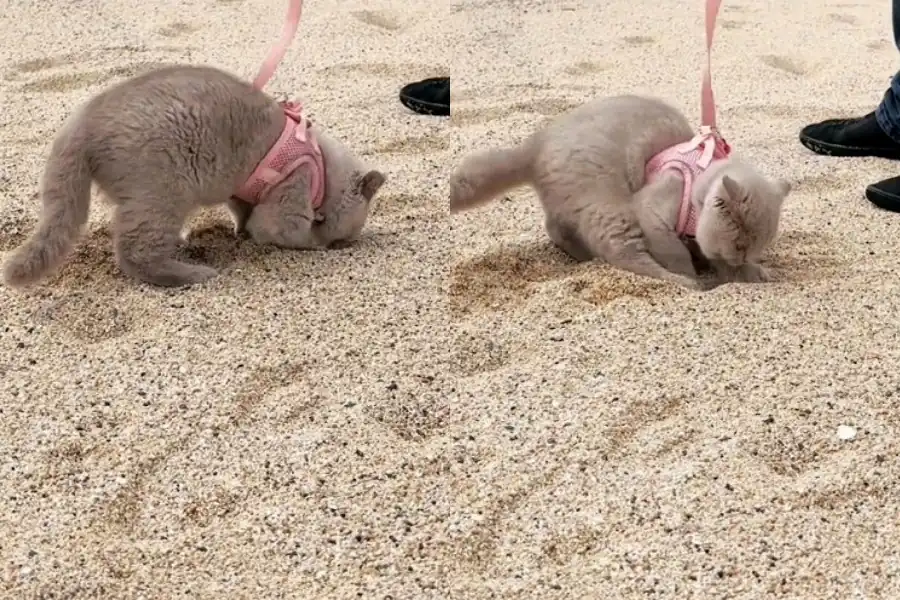
For many cat owners, choosing the right cat litter is both a fundamental part of daily care and an important decision that impacts feline health and the home environment. While there is a wide variety of cat litters on the market, some people suggest using regular sand as an alternative to commercial litter to save costs or for environmental reasons. However, using sand as a litter alternative has both merits and undeniable risks. From the perspectives of animal welfare, cat health, the environment, and home safety, this article will thoroughly analyze the pros and cons of using sand as cat litter, providing practical advice and alternatives to help owners make decisions that serve their cat’s best interests.
The Advantages of Using Sand as Cat Litter
First, it is worth acknowledging that sand has a few appealing traits. Sand grains are fine, and their weight ranges from light to moderate (depending on the type). Many cats enjoy burying their waste in fine sand, which aligns with their natural burying behaviors. If clean, salt-free construction or gardening fine sand is used, it can achieve the basic functions of absorbing moisture and masking odors. Additionally, the purchase price is often lower than premium cat litters. For short-term, temporary alternatives (such as during travel, home renovations, or in an emergency), sand is indeed a viable stopgap measure.
The Main Disadvantages and Risks of Sand
However, from an animal welfare and health perspective, sand has several distinct shortcomings that require attention. First is the hygiene and pathogen risk: outdoor or non-food-grade sand can easily harbor parasite eggs (such as hookworms), bacteria, or other contaminants. If not sterilized at high temperatures, long-term use may increase infection risks. Second, sand typically contains higher levels of dust than processed cat litters. This dust can irritate a cat’s respiratory tract and eyes, making it particularly unfriendly to cats with asthma or respiratory sensitivities, while also affecting indoor air quality for humans.
Furthermore, sand’s absorption and odor-control capabilities are generally inferior to professionally formulated cat litters. Traditional sand is mostly non-clumping; urine is absorbed by the sand but does not form clumps, making cleanup difficult and prone to lingering odors. This increases the likelihood of a dirty litter box, which over time can cause cats to reject the box or eliminate elsewhere in the house (aversive behavior in cats). Additionally, sand is relatively heavy and high in friction, easily sticking to a cat’s paws and fur to be tracked out of the litter box, thereby increasing the cleaning burden.
Feline Health, Behavioral, and Training Considerations (Veterinary Perspective)
From a veterinary standpoint, the choice of cat litter should prioritize “promoting natural behaviors,” “reducing health risks,” and “maintaining good hygiene.” Cats are extremely clean animals with strong preferences for the texture, scent, and diggability of their litter. If non-clumping, poor-odor-control sand is used, a cat may change its elimination habits due to a dirty box. This can become a source of behavioral problems and may mask early warning signs of urinary or intestinal health issues (such as bloody urine, frequent urination, or abnormal bowel movements) because owners might not easily notice them.
Moreover, dust and particle fineness are crucial for kittens, senior cats, or those with a history of respiratory disease. Using high-dust sand can trigger asthma attacks or chronic respiratory inflammation. For cats recovering from surgery, pregnant queens, or immunocompromised felines, it is advised to avoid untreated sand as a regular litter.
Environment and Home Safety: Ecological and Sanitary Impacts
On the environmental front, certain sand sources (such as strip-mined sand) can impose a burden on local ecosystems, and dumping sand containing feces and urine directly into soil or drainage systems may spread pathogens. Furthermore, if owners attempt to sterilize sand via high-temperature baking or sun exposure, they must be mindful of operational safety and whether sterilization is truly effective. If family members suffer from dust allergies, long-term sand use will exacerbate allergic symptoms.
Practical Advice: When to Use, How to Handle, and Alternatives
Based on the above analysis, the following practices are recommended:
- Short-Term Use: If you decide to use sand temporarily, make sure to choose clean, salt-free, chemically untreated fine sand, and pre-sterilize it (high-temperature baking or sun exposure, followed by sifting out impurities). Frequent changes and thorough box cleaning (at least spot-cleaning daily, completely replacing and washing weekly) can reduce pathogen risks.
- Who to Avoid: Cats with respiratory issues, kittens, senior cats, or immunocompromised cats should not use sand.
- Alternative Options: If you are seeking economical or eco-friendly options, consider:
- Wood shavings or wood pellet litter: Biodegradable with good odor control.
- Paper litter: Low dust, respiratory-friendly, ideal for post-surgery recovery.
- Plant-based granules: (e.g., corn or wheat) offering clumping properties and biodegradability.
- Silica gel crystal litter: Excellent absorption and odor control, though higher in price with lower dust levels.
When choosing alternatives, prioritize the cat’s preferences, household cleaning capacity, and environmental impact.
Conclusion: Prioritizing Cat Welfare
In summary, sand can serve as a short-term, temporary substitute for cat litter, but it is not recommended for long-term daily use due to hygiene risks, insufficient dust and odor control, and the potential to trigger behavioral problems. To safeguard your cat’s physical and mental health along with the home environment, owners should prioritize feline comfort and safety by choosing low-fume, easy-to-clean, cat-friendly litters, while regularly monitoring their cat’s elimination habits and health status. If you have any doubts—especially if your cat shows urinary symptoms, frequent urination, or behavioral changes—consult a veterinarian promptly. Early diagnosis and adjustment of your litter strategy can prevent minor issues from escalating into major health risks.
Quick Reminders
- Wear a mask and gloves when handling or moving sand.
- If gathering natural sand outdoors, make sure to quarantine/sterilize it first, and avoid using it if questionable.
- When selecting a litter, observing your cat’s acceptance and bathroom habits afterward is the most direct way to determine if it is a suitable fit.