
The microvessels within the nasal mucosa are dense, sensitive, and fragile, making them prone to rupture and bleeding. Most of us have experience with nosebleeds or have seen someone else’s nose bleed. In humans, we usually lean the head slightly forward and apply pressure to the nostrils until the bleeding stops.
However, the chance of seeing red discharge hanging from a pet’s nose is relatively low. This is because dogs and cats tend to lick away nasal discharge and swallow it. Most owners only realize there is a problem when they see bloody droplets/spray on the floor or notice red liquid actively dripping from the nostrils.
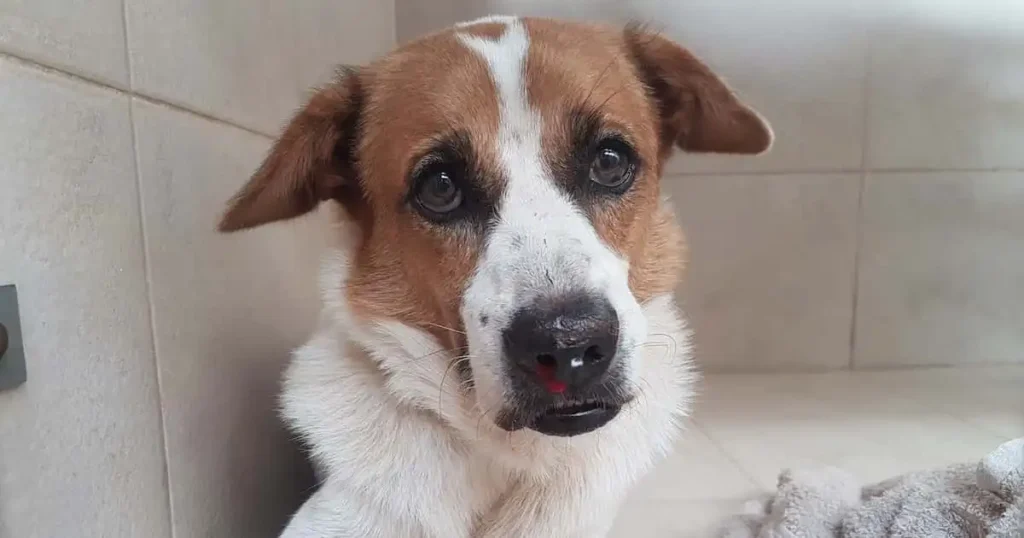
Immediate Home Care: How to Control Bleeding
If your pet’s nose begins to bleed while you are at home, follow these steps to control the bleeding before heading to the vet:
- Stay Calm: If your pet senses your panic, they will become agitated. Excitement leads to higher blood pressure, which results in more bleeding.
- Apply an Ice Pack: Place an ice pack on the bridge of the pet’s nose. Ensure your pet can still breathe comfortably. Cold temperatures cause the microvessels to constrict (vasoconstriction), which helps reduce bleeding.
- Do NOT Insert Anything into the Nose: Avoid sticking absorbent materials (such as tissues, paper towels, or gauze) or cotton swabs into the nostrils. This will irritate the nasal passage and cause the pet to sneeze, which will make the bleeding significantly worse.
- Seek Urgent Care: If the steps above do not stop the bleeding or if your pet experiences difficulty breathing, seek veterinary medical attention immediately.
Information to Provide Your Veterinarian
When you arrive at the clinic, providing the following information can help the vet reach a diagnosis faster:
- Medications: Is your pet currently on any medication? Have they accidentally ingested any Non-Steroidal Anti-Inflammatory Drugs (NSAIDs), such as Aspirin?
- Toxins: Have you used rat poison recently? Is it possible your pet ate a rodent that may have been poisoned?
- Facial Appearance: Have you noticed any facial deformity or asymmetry? Is the bridge of the nose swollen? Is the third eyelid elevated? Does one eye look more prominent (bulging) or have increased discharge?
- Trauma: Has there been any injury to the nose? Does your pet play roughly with other animals?
- Foreign Bodies: Has your pet been in contact with foxtails or other grass awns that could get stuck in the nose?
- Sneezing: Has your pet been sneezing frequently?
- Other Bleeding: Is there bleeding anywhere else on the body? Look for “black, tarry” stools (melena), unusual bruising (petechiae), or unexplained swelling/bleeding under the skin.
- History: Is this the first time the nosebleed has occurred?
- Location: Is the blood coming from a single nostril or both?
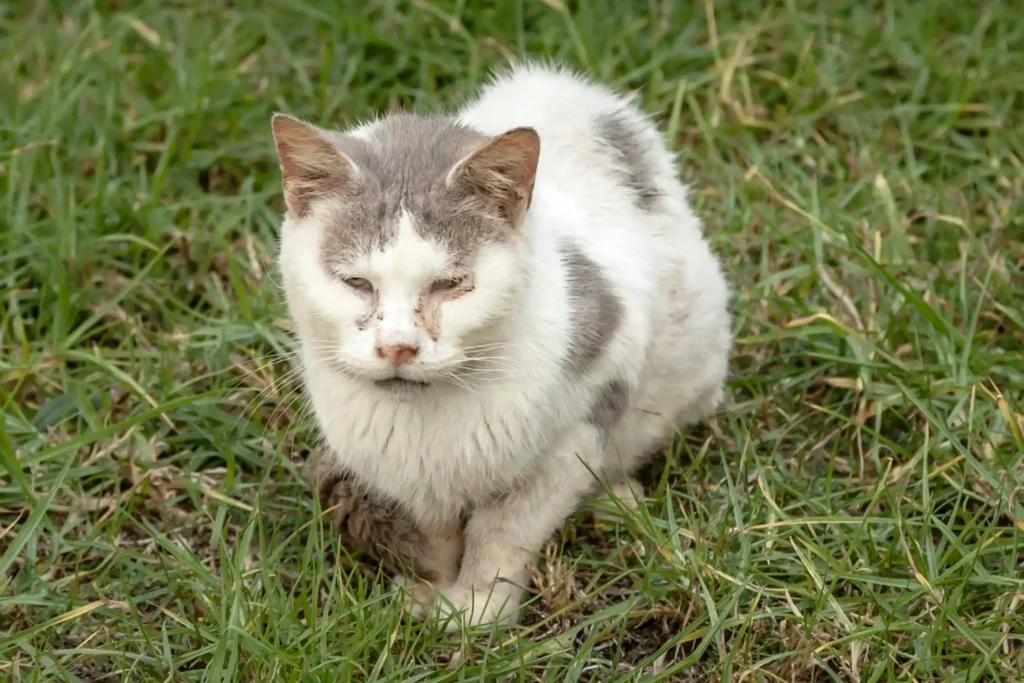
Common Causes of Nosebleeds
- Trauma or irritation.
- Inflammatory rhinitis.
- Fungal Infections: Canine Aspergillosis or Cryptococcosis.
- If the discharge is pure blood (without mucus), consider:
- Systemic Coagulopathy (Clotting Disorders): Such as thrombocytopenia (low platelets), platelet dysfunction, blood parasite infections (e.g., Ehrlichiosis or Rocky Mountain Spotted Fever), or rodenticide (rat poison) poisoning.
- Systemic Hypertension (High Blood Pressure): Often caused by kidney disease or Cushing’s disease.
- If the bleeding is strictly unilateral (one nostril), the most likely causes include:
- Foreign bodies.
- Trauma.
- Tooth root abscess.
- Oronasal fistula.
- Early-stage fungal infection or localized tumor lesions.
- Tumors (Neoplasia).